Why the Coaching Format Matters for Young Players
The decision usually begins after a child can finish club games legally but keeps losing to the same predictable sequences. They might hang back-rank pieces, miss simple forks, rush captures, or play the first check they see. Parents face a real choice once a junior outgrows these club basics and needs structured one-on-one instruction.
A useful trigger point for seeking private coaching is when the junior has about 4 to 6 recent games that show repeated tactical or time-management errors, rather than one isolated bad result. The format you choose directly affects engagement, retention of patterns, and how quickly those tactical weaknesses are corrected. Frame the choice around the individual child, focusing on their attention span, current rating level, and home environment.
Recorded results from replicated trials show a 30- to 45-minute focused lesson often produces better retention for younger juniors than a full hour with fading attention. For a child already playing rated scholastic games, the format choice should account for roughly the next 8 to 12 weeks of practice. A single impressive trial lesson rarely tells the whole story.
What In-Person Private Lessons Bring to the Board
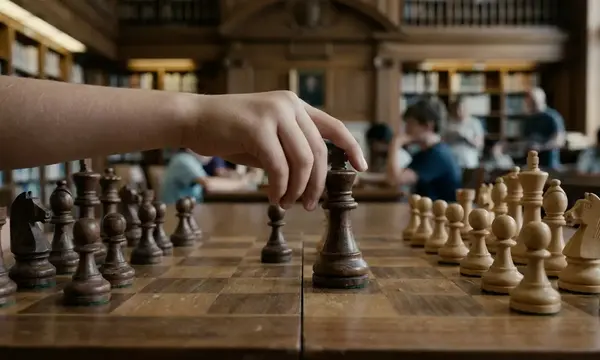
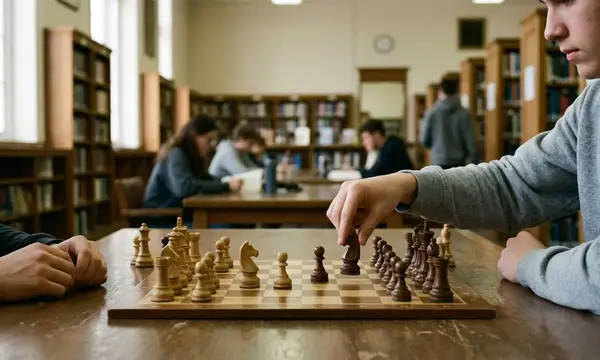
In-person lessons are strongest when the coach needs to watch the whole player, not just the moves on the board. A junior who reaches across the board carelessly, forgets to press the clock, or writes notation after the opponent moves requires physical intervention. Physical board work builds spatial pattern recognition and tournament-realistic handling of pieces.
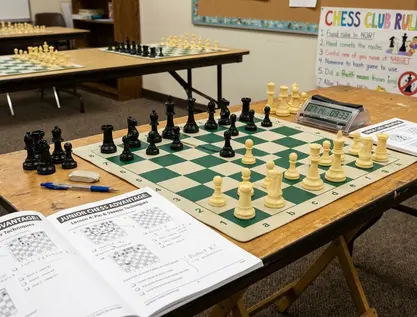
A coach can reset a physical position in about a minute and ask the child to replay the critical move with the same hand used to move and press the clock. This immediate correction builds touch-move discipline. Other common over-the-board corrections include writing the move before leaving the board area, keeping captured pieces away from the active squares, and using the clock without hovering over it.
Pro Tip: For children roughly ages 6 to 9, a board-side coach can often spot fatigue around the 25- to 35-minute mark and switch from calculation to a short pattern drill before focus collapses.
The trade-off involves logistics. Private in-person instruction requires travel, room access, and matching the family schedule with a coach who is local enough to see the child consistently. A player around 12 years old in a town with no suitable local coach may stall with in-person convenience but improve faster online with targeted review.
What Online Lessons Add and Where They Excel
Online lessons are usually chosen when the family wants a narrower coaching match. You might seek an endgame specialist for a cautious player, an attacking coach for a tactical junior, or a trainer comfortable reviewing games using the foundational principles of Robert M. Snyder. Geography no longer limits access to titled coaches.
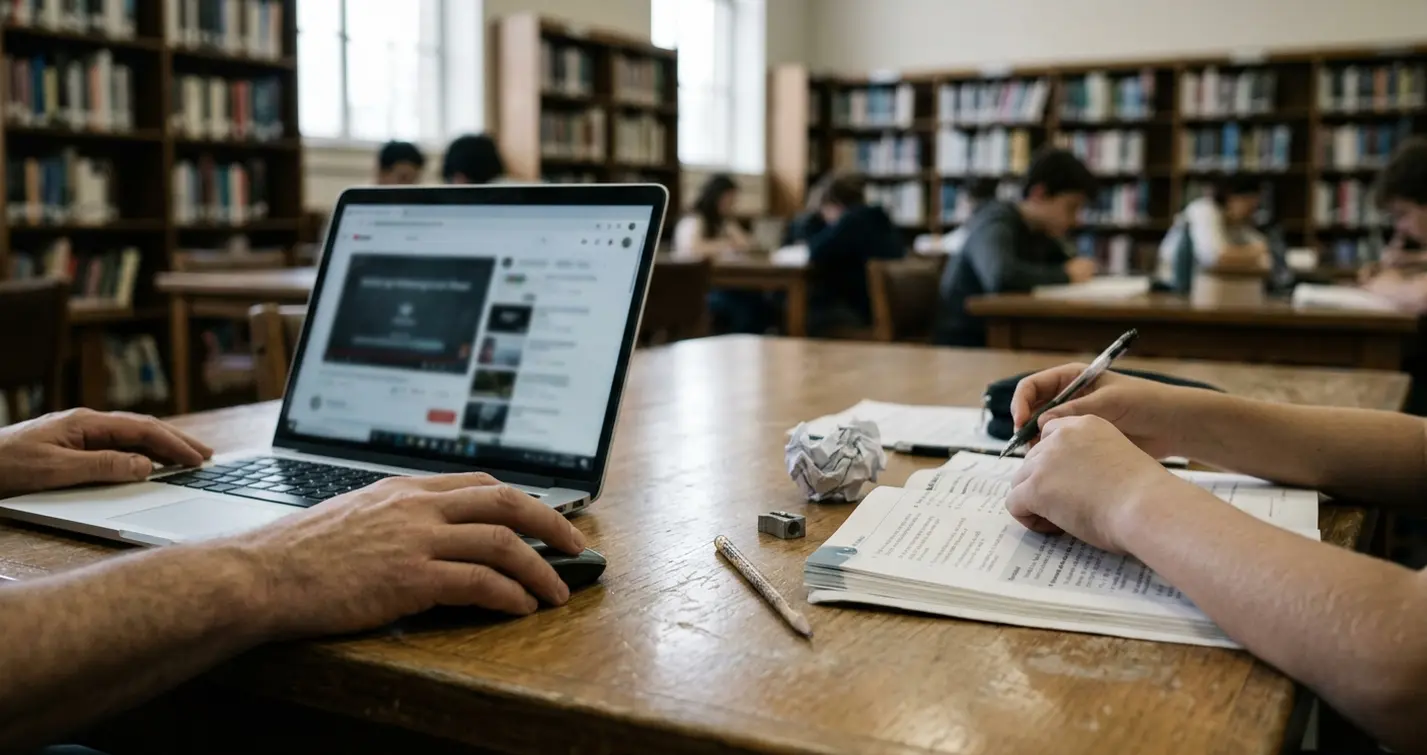
A productive online setup uses a laptop or desktop screen, a separate mouse when possible, and a quiet table where school tabs, games, and messaging apps are closed before the lesson starts. A family with a quiet study room, stable internet, and a parent nearby can make online lessons feel well structured. The exact same lesson at a kitchen table during sibling homework often fails.
Recorded sessions are most useful when the coach marks about 2 to 4 review moments, such as a missed tactic, a poor exchange decision, or a recurring opening misunderstanding. For intermediate juniors, a roughly 45- to 60-minute online lesson can cover one recent game, one tactical theme, and a short homework set without the time lost to travel.
Warning: Parents should test audio, board controls, and account access about 10 to 15 minutes before the first session, especially for children who cannot troubleshoot independently.
Head-to-Head: Cost, Feedback, Focus, and Flexibility
The fair comparison is not traditional versus modern, but rather which format gives this specific child the clearest feedback loop. For one student, that means a coach physically stopping a rushed hand before a blunder. For another, it means a shared screen highlighting weak squares.
- Feedback immediacy: In-person coaching is strongest for body language, clock use, board vision, and tournament manners. Online coaching is strongest for saved variations, screen-shared analysis, and replayable homework.
- Focus risk: In-person lessons reduce screen temptation. Online lessons demand a controlled workspace with notifications off and a parent nearby for younger children. A child around age 8 who is energetic at a club but restless at a laptop may learn less online even with a stronger remote coach, because the lesson time gets spent on reminders instead of chess thinking.
- Cost pressure: Online lessons often avoid travel and room costs. In-person lessons may justify a higher fee when the child needs hands-on correction and stronger accountability.
- Tournament preparation: In-person lessons can rehearse scoresheets, clock pressing, and board setup. Online lessons can quickly review several recent games before a weekend event.
A hybrid rhythm can be practical. Scheduling one in-person lesson every roughly 3 to 4 weeks for tournament habits, with online tactical or game-review sessions in between, balances both approaches.
How to Match the Format to Your Junior
Start with the child profile, then choose the format. Ask how long the junior can work without drifting, whether they can explain candidate moves aloud, how they react after a blunder, and whether they can manage digital tools responsibly.
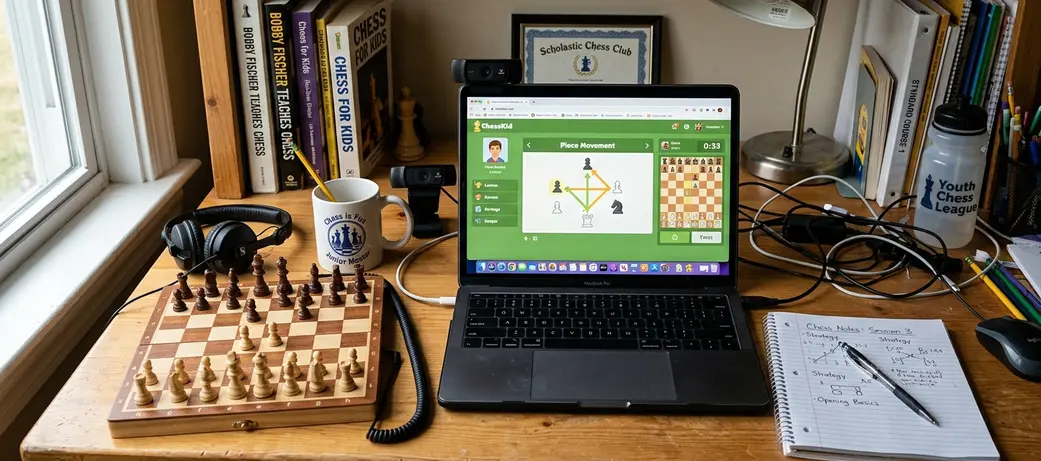
Use about a 4- to 6-week trial window with the same coach before judging the format. Ask the coach to track two or three concrete targets, such as reducing one-move blunders, recognizing pins and forks faster, finishing games with time on the clock, or recording notation more reliably.
Watch for signs that a format isn't working. Resistance before lessons for about 2 consecutive weeks, missed homework twice in the trial period, or games showing the same unaddressed tactical pattern after several reviews all indicate a need for adjustment. A practical review point is roughly every 8 to 12 weeks. Look at lesson notes, puzzle consistency, recent games, and the child's willingness to analyze losses.
Scope and Limitations of This Comparison
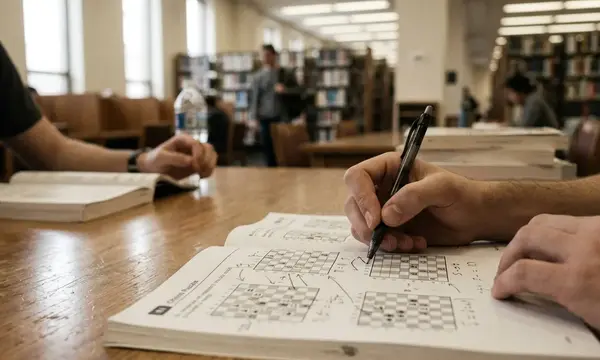
Independent work still matters regardless of the coaching medium. A junior taking one lesson per week should have short puzzle or game-review tasks between sessions, even if those tasks are only about 10 to 20 minutes on school nights. Neither format replaces slow analysis of the child's own games, especially losses where the junior can explain what they were calculating.
Coach quality can outweigh format. A clear curriculum, written homework, and review of real games usually matter more than whether the board is physical or digital. Cost, platform features, and local coach availability can shift within a single school term, so families should recheck options before committing to a long block of lessons. You can explore current US Chess scholastic resources to find certified coaches in your area.
Key Takeaway: These recommendations fit typical scholastic training situations, not every family schedule, neurodiverse learning profile, elite competitive pathway, or region with unusually limited coach access.