
The Shift in the Unit of Work
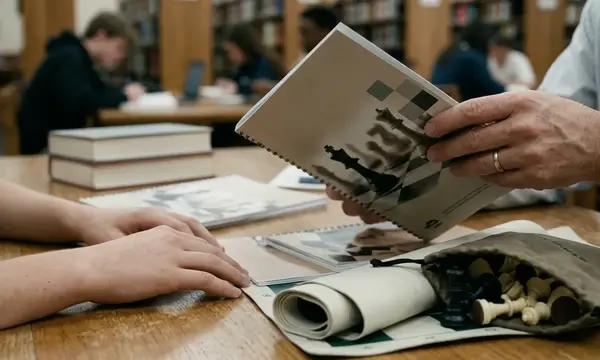
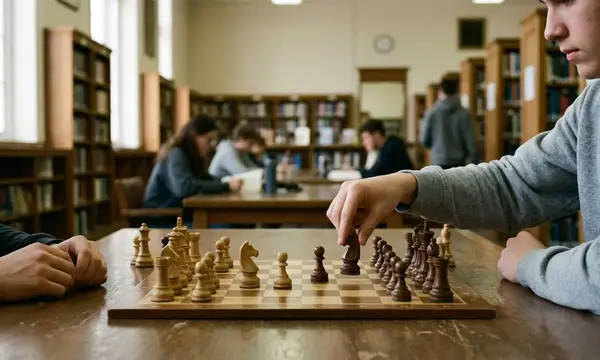
Scholastic chess instruction inherited its shape from the printed manual tradition. A standard workbook requires a junior to set up one position, calculate the variations, move the pieces, and then consult an answer key. In most situations, this physical process demands two to four minutes per position. Foundational texts, such as those by Robert M. Snyder: Senior Master and author, iUniverse, relied on this deliberate pacing to build early board vision.
Early interactive chess discs became a practical home-training format. These digital lessons automated the answer check but generally assumed access to one desktop computer and a scheduled study block. The learner remained at a desk, engaging in sustained analysis.
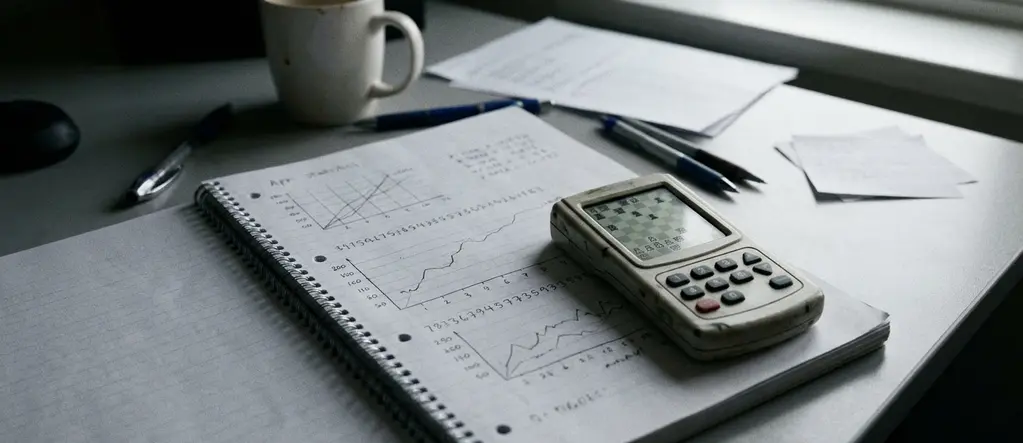
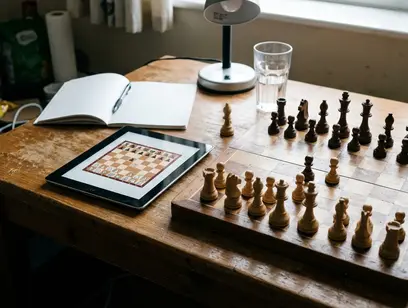
Phone and tablet trainers removed the setup step entirely. A screen trainer presents the next position within seconds. This portability meant a junior's study session stopped needing a board, a room, or a scheduled hour. The unit of work changed from a deeply analyzed physical position to a rapid sequence of digital attempts.
Defining Board-Level Progress
Coaches and parents track specific outcomes that translate to tournament success. A developing player needs to recognize a motif under clock pressure, calculate three moves deep without touching pieces, convert a won endgame, and write a usable post-game annotation. A rising in-app puzzle number moves independently of these tournament results.
Trainer scores reward speed and pattern recall. Tournament games demand time management, board vision, and emotional recovery after a blunder. The gap between digital puzzle ratings and over-the-board performance often stems from the different cognitive demands of the two environments.
Retention requires a delayed-transfer check. Retest a studied motif after 13 to 15 days on a physical board, with the device closed and no candidate moves supplied. Use three records for each test position: the written main line, the final move choice, and one sentence naming the tactical or strategic idea. This method separates true comprehension from short-term visual memory.
The Mechanical Advantages of Digital Repetition
As detailed in Cepeda and colleagues' 2006 review, distributed practice operates as a general retention principle. Adaptive trainers deliver high repetitions per minute and automatically resurface a missed motif days later. Immediate feedback closes the error loop before a wrong idea is rehearsed—a paperback's answers at the back of the chapter delay that correction by minutes or days.
A practical tactics block lasts 10 to 15 minutes and ends at the timer even when the trainer offers another puzzle or streak reward. Difficulty calibration tracks the junior's ceiling automatically. The same platform feeds direct one- or two-move motifs to a player near 900 while assigning longer defensive or combination lines to a player near 1500.
A coach inspects completion before the next weekly club meeting to guide instruction. The useful fields are positions attempted, recurring error themes, and time spent. The streak badge alone provides little diagnostic value.
The Cognitive Friction of the Printed Page
Reading a static diagram forces internal visualization. The junior holds the position and the candidate lines in their head. This replicates the exact demand of a tournament game. The reader calculates to a conclusion or writes down an honest stopping point when the position cannot be resolved. The absence of a hint button removes the escape hatch.
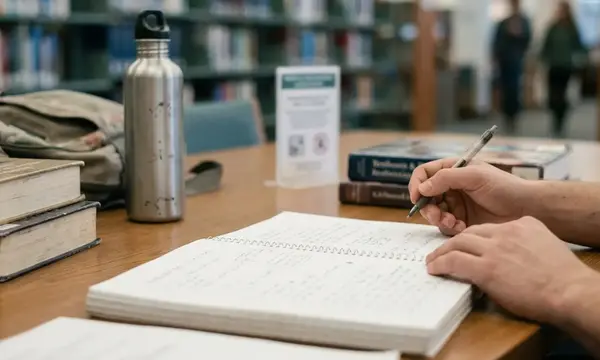
A useful calculation page leaves room for two candidate moves, one main variation, and a short explanation such as "remove the defender before taking on f7." Writing variations in pencil in the margin slows the thought down enough to be examined. The artefact survives the session and provides a clear record for a parent or coach to review.
The Reading Comprehension Barrier
Dense prose and long notation strings often test a young player's reading comprehension alongside their chess ability. Pre-readers and many players younger than eight struggle to extract value from text-heavy manuals, making diagram-first materials essential for early development.
For basic endgames, place the printed position on a physical set and replay it from both sides two or three times. The junior counts pawn races or opposition moves aloud. Building the technique with their hands solidifies the spatial relationship between the pieces.
Assigning the Medium to the Motif
Format assignment works best when mapped topic by topic. Trainers handle jobs with one verifiable move and a need for repetition. Print and physical boards handle jobs involving explanation, move-order logic, multiple reasonable plans, or manual endgame technique.
For pins, forks, back-rank patterns, and removal of the defender, introduce the motif with two to four explained examples in print. Move to short, mixed digital sets afterward to build pattern recognition. For an opening line, the junior records the first decision point and a one-sentence reason for the move. Copying a branch longer than eight to ten half-moves without explanation yields poor retention.
After a long game, complete the handwritten review before using an engine. Mark one critical position, list the candidates considered, and finish with one takeaway sentence. For coach accountability, compare the app attempt log with one written puzzle sheet. Disagreement between high digital volume and thin written calculation provides useful evidence of guessing.
This topic map is intended for club-level scholastic players roughly ages 7 to 14 in weekly lessons, camps, and ordinary junior competitions; titled juniors with individualized opening files and intensive coaching require a different allocation.
Structuring a Sustainable Weekly Routine
A single 60-minute homework block often fails because fatigue makes the final puzzles hurried and leaves no separate day for recall. Divide repetition across three short screen sessions and reserve two distinct occasions for board handling, explanation, and written analysis.
Monday, Wednesday, and Friday feature 10 to 15 minutes of app tactics, followed by replaying one missed position on a physical board. Enforce the board rule: anything studied on a screen gets replayed once on a physical set before it counts as learned. Add a verbalization step where the junior states the idea in one sentence before executing the move. This single habit exposes guess-clicking.
Tuesday involves a club lesson or a 25 to 35 minute board-and-book block using a printed endgame sheet. The junior moves the pieces and counts tempi aloud. Saturday includes one long game, then 15 to 20 minutes of handwritten annotation before any engine check.
Cap a calculation assignment at five positions when each answer must include candidate moves and a written line. Unused study time goes to correction rather than another rapid set. During a camp week, keep printed lesson sheets with the daytime curriculum and use devices for a separate 10-minute evening review block.
Bibliography
- De Groot's 1965 study distinguishes between choosing candidate moves and calculating continuations in expert thought. (de Groot, A. D. Thought and Choice in Chess. Mouton.)
- Chase and Simon's 1973 work shows that chess-specific pattern perception relies on meaningful board configurations. (Chase, W. G., & Simon, H. A. Perception in Chess. Cognitive Psychology.)
- The 2007 IES practice guide on organizing instruction and study includes classroom recommendations involving spacing, quizzing, and explanatory questioning that support delayed testing.
The Six-Position Transfer Audit
Select six positions from different familiar families, such as a fork, pin, back-rank tactic, discovered attack, overloaded defender, and removal of the defender. Choose app positions the junior has previously solved. Copy each position as a plain diagram or set it up on a physical board without arrows, ratings, or multiple-choice options.
Retest the positions cold after 13 to 15 days. Record only two totals: correct solutions out of six and clear one-sentence explanations out of six. If a move is correct but the explanation is absent or unrelated, keep the solution point but withhold the explanation point. Run this audit 10 to 16 days before the next scholastic tournament. Shift study time toward print and written calculation for any solved but unexplainable motifs, and increase the digital resurfacing frequency for any unsolved positions.